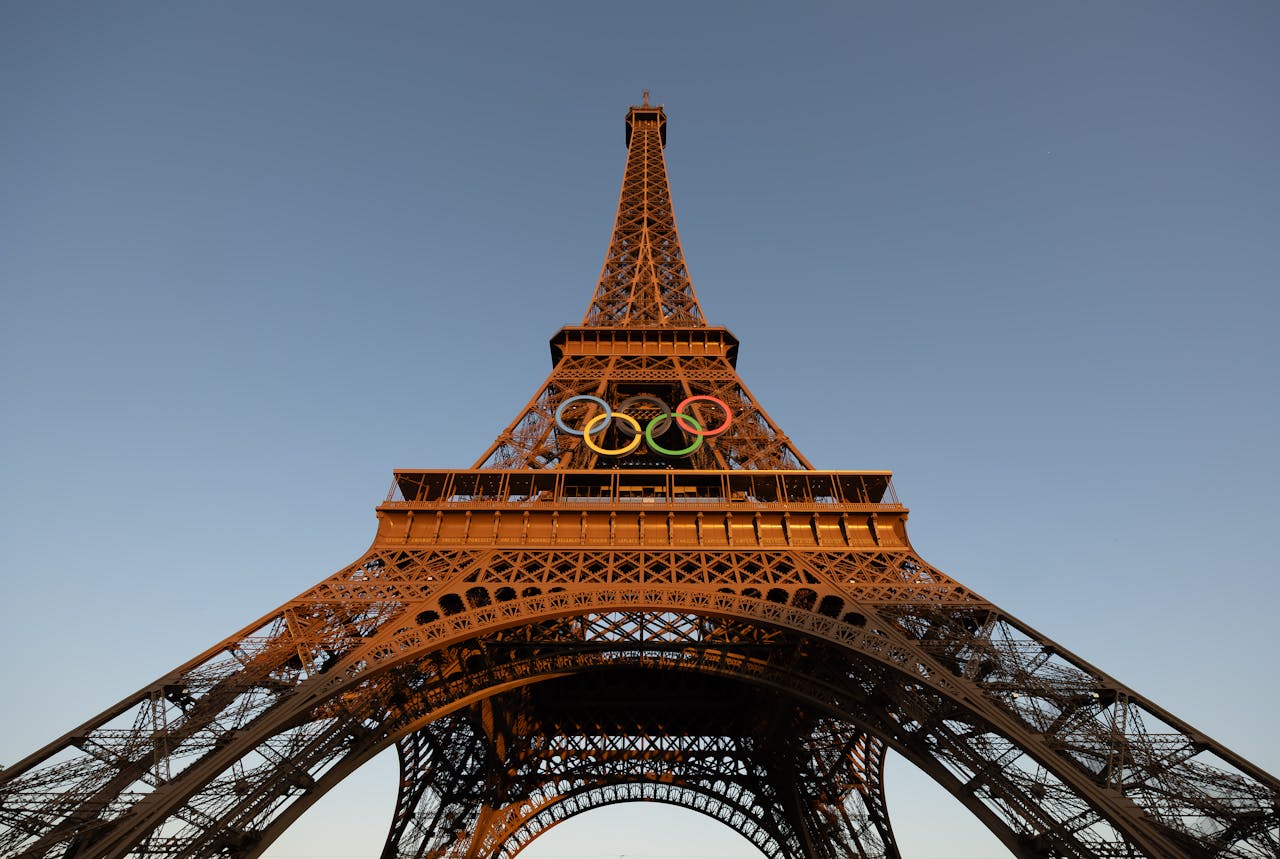


The Olympic Games are one of the most recognized sporting events in the world. Every four years, athletes from nearly every nation compete on the same stage, representing not only their countries but also the ideals of excellence, unity, and fair competition.
But the Olympics did not begin as the massive global event we know today. Their story stretches back nearly three thousand years to ancient Greece, evolving through centuries of cultural change, political influence, and international cooperation.
Understanding the history of the Olympic Games reveals how sports became a powerful symbol of global unity.
The Birth of the Olympics in Ancient Greece
The first recorded Olympic Games took place in 776 BCE in Olympia, a sanctuary dedicated to Zeus in ancient Greece. These early games were part of a religious festival honoring the king of the Greek gods.
Unlike the modern Olympics, the original games were much smaller and included only Greek city-states. However, they quickly became one of the most important events in the Greek world.
Athletes competed in events such as:
- Foot races
- Wrestling
- Boxing
- Chariot racing
- The pentathlon (running, jumping, discus, javelin, wrestling)
Winning an Olympic event brought enormous prestige. Victorious athletes were often celebrated as heroes in their hometowns and rewarded with statues, privileges, and lifelong recognition.
One unique feature of the ancient Olympics was the Olympic Truce. During the games, Greek city-states agreed to temporarily stop wars so athletes and spectators could travel safely to Olympia.
Why the Ancient Olympics Disappeared
For nearly twelve centuries, the Olympic Games were held regularly. However, by the 4th century CE, the political and religious landscape of the Roman Empire had changed dramatically.
In 393 CE, Roman Emperor Theodosius I banned pagan festivals, including the Olympic Games, as part of efforts to promote Christianity across the empire.
With that decision, the Olympic Games disappeared for over 1,500 years.
The stadiums of Olympia fell into ruins, and what had once been one of the greatest athletic events in the world became part of history.
The Revival of the Olympic Games
The modern Olympic Games exist largely because of the vision of a French educator named Pierre de Coubertin.
In the late 19th century, Coubertin believed that international sport could promote peace, education, and cooperation among nations. Inspired by the ideals of ancient Greece, he proposed reviving the Olympic Games on a global scale.
His idea became reality in 1896, when the first modern Olympic Games were held in Athens, Greece.
Key facts about the 1896 Olympics:
- 14 countries participated
- Around 241 athletes competed
- Only men were allowed to compete
- 43 events were held across 9 sports
Although small by today’s standards, the 1896 Olympics were a success and laid the foundation for the international sporting event we know today.
Growth of the Modern Olympic Movement
Over the next century, the Olympic Games expanded rapidly.
New countries joined, more sports were added, and global interest grew with every event.
Several milestones shaped the modern Olympics:
1900 – Women Compete for the First Time
Women were allowed to compete in the Olympic Games for the first time at the Paris Olympics.
1924 – The First Winter Olympics
Winter sports such as skiing, skating, and ice hockey became popular enough to create a separate event. The first Winter Olympics were held in Chamonix, France.
1936 – The Olympics and Global Politics
The Berlin Olympics were used as a political tool by Nazi Germany. However, American athlete Jesse Owens challenged racist propaganda by winning four gold medals.
1960 – Global Television Broadcast
For the first time, the Olympics were broadcast widely on television, allowing millions of people around the world to watch the Games.
The Olympics During the Cold War
The Olympic Games often reflected political tensions during the Cold War.
Two major Olympic boycotts occurred:
- 1980 Moscow Olympics – Boycotted by the United States and several allies after the Soviet invasion of Afghanistan.
- 1984 Los Angeles Olympics – Boycotted by the Soviet Union and several Eastern Bloc countries.
Despite these political conflicts, the Olympics continued to grow in popularity and global significance.
The Olympics in the 21st Century
Today, the Olympic Games are one of the largest sporting events on Earth.
Recent Olympics have included:
- Over 200 participating countries
- More than 11,000 athletes
- Hundreds of events across dozens of sports
- Billions of global viewers
Cities compete fiercely for the chance to host the Games because of their massive cultural and economic impact.
However, hosting the Olympics also brings challenges such as high costs, infrastructure demands, and environmental concerns.
The Olympic Symbols and Traditions
Several traditions make the Olympic Games unique.
The Olympic Rings
The famous five interlocking rings represent the unity of the five inhabited continents: Africa, the Americas, Asia, Europe, and Oceania.
The Olympic Flame
The Olympic torch is lit in Olympia, Greece, and carried in a relay to the host city before the Games begin.
The Olympic Motto
The Olympic motto was updated in 2021 to:
“Faster, Higher, Stronger — Together.”
This phrase reflects the spirit of athletes striving for excellence while promoting global unity.
Legendary Olympic Athletes
Throughout history, many athletes have left a lasting mark on the Olympic Games.
Some of the most famous include:
- Usain Bolt – The fastest man in history and multiple Olympic gold medalist in sprinting.
- Michael Phelps – The most decorated Olympian ever with 28 medals.
- Simone Biles – One of the greatest gymnasts of all time.
- Carl Lewis – Dominated track and field in the 1980s and 1990s.
These athletes helped turn Olympic moments into unforgettable global memories.
Why the Olympics Still Matter
More than just a sporting event, the Olympics represent something bigger.
They bring together countries that might otherwise have little connection. Athletes from different cultures compete with respect and admiration for one another.
For a few weeks every four years, billions of people around the world focus on the same celebration of human ability and determination.
The Olympic Games remind us that sport can unite people across borders, languages, and political differences.
The Future of the Olympic Games
The Olympics continue to evolve.
New sports such as skateboarding, surfing, and sport climbing have been introduced to attract younger audiences. Technology now allows fans to watch events live from anywhere in the world.
Sustainability and cost management are also becoming major priorities for future Olympic host cities.
Despite these changes, the core spirit of the Olympics remains the same as it was in ancient Greece: celebrating human potential through sport.